Alliance Health
Annual Report · 2025
Alliance Health · 2025 Annual Report

One year.
Seven counties.
Hundreds of thousands
of moments of care.

Alliance Health turned $2.36 billion of public investment into housing, treatment, training, and a coordinated system of care for the people who need it most.

Alliance-Funded Healthcare while you've been reading this report
$0.000
Audited rate · ≈ $68.04 per second · $2.15B per year · excludes administrative fees See the financials →
Scroll
Alliance-Funded Healthcare while you've been reading this report
$0.000
See financials →
01 · The year, in numbers

What FY25 Actually Looks Like

A snapshot of what the year looked like across the Alliance Health system — not the whole story, but a sense of the scale.

Whole-person care
0
people served through the NC Innovations Waiver, supporting community living for individuals with I/DD.
Housing as health
0
TCL members in supportive housing at year-end. 361 new moves completed in FY25.
Crisis response
0
youth and families served by MORES — rapid, in-home crisis response within an hour of caregiver request.
First-responder readiness
0
first responders trained in Crisis Intervention Team (CIT) skills in 2025.
Free medication access
$0
in retail value of free over-the-counter medication distributed at six NC MedAssist mobile pharmacy events.
Mental Health First Aid
0
community members trained in adult and youth Mental Health First Aid across 39 classes.
Recovery housing
0
individuals supported through Oxford House recovery residences for substance use disorder recovery.
Harm reduction
$0M
contract with NC Harm Reduction Coalition supporting naloxone distribution and supplies through 2025–2026.
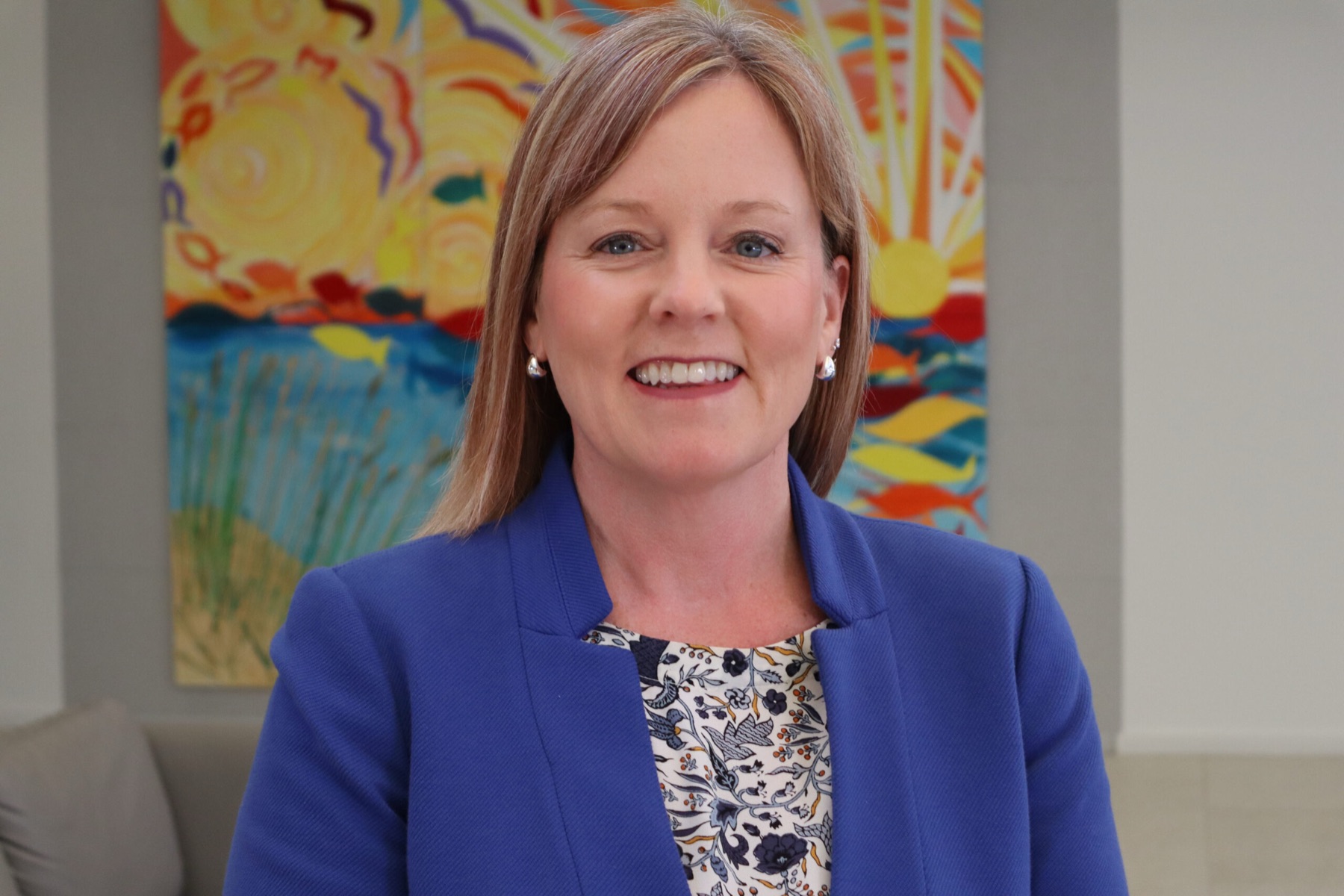
Rob Robinson, CEO of Alliance Health Rob Robinson · CEO
Greetings from Alliance Health

Rooted in Community, Driven by Impact

I come to you in this year's report following our successful first full year of Tailored Plan operations — a year of accomplishment in which we reinforced our mission to improve the health and well-being of the people we serve by ensuring highly effective, community-based support and care. At the same time, we advocated for state Medicaid policy and funding improvements to enhance Alliance's ability to strengthen care quality and protect service access for our members.

During 2025 we continued to expand our team to nearly 1,500 committed professionals, highlighted by the creation of a Division of Innovation and Strategy that aims to design and drive forward-looking strategies that enhance efficiency, service delivery, and sustainability across business operations. We also expanded our utilization management clinical team, filled senior positions across our care management function, and expanded investment into the use of artificial intelligence to enhance efficiencies across the organization. These investments are designed to reinforce Alliance as a leader in Medicaid innovation and reflect our long-held recognition that we are "powered by our people."

"In this report we'll share the many ways we continued to recognize that Alliance and the communities we serve are Better Together — through partnership, investment and service."

We'll describe our $75,000 investment in community impact sponsorships to support 13 community health initiatives across the counties served by Alliance that focus on improving food security and access to healthy food and nutrition education — including local shelters, mobile markets, food banks/hubs, and neighborhood food pantries.

We're also pleased to share our leadership in street-based and community-embedded care models that meet people where they are and reduce barriers to care for those living unsheltered. This includes a street psychiatry program that deploys psychiatrists alongside street outreach teams to deliver on-site behavioral health care and strengthen connections to longer-term care, and street medicine events across our communities that bring together medical providers, behavioral health professionals, peer supports, and community agencies to deliver coordinated care in accessible settings.

Other highlights include the exciting launch of a school-based wrap-around mental health program in the Durham Public Schools based on the award-winning initiative in Wake County, providing care coordination and system navigation for students experiencing behavioral health crises or transitioning into or out of crisis or residential placements. And we built on a history of innovation with creative initiatives like barbershop therapy — where barbers are equipped with Mental Health First Aid skills to serve as trusted mental health advocates in their communities — a mobile app to support law enforcement officers and other first responders during encounters with people experiencing behavioral health crises, and a partnership with NCDHHS on a digital mental health platform to expand access to no-cost support for teens.

As always, our work is enhanced by the guidance of an outstanding board of directors, as well as the support of the boards of county commissioners and the county managers and their staffs from our seven counties. We thank them all, along with our Consumer and Family Advisory Committee, and our partners and colleagues across the Alliance region.

Rob Robinson
Chief Executive Officer
02 — Community partnership

Partnering With Communities to Strengthen Health, Safety, and Well-Being

We collaborate with organizations, law enforcement and community members to create lasting change in our communities. Through education, training and system navigation support, we empower individuals to achieve healthier, fulfilling lives. We also partner with local organizations to address social determinants of health, such as food insecurity, housing instability and transportation barriers.

Three members of Alliance Health's leadership team were honored by the Triangle Business Journal for their exceptional leadership, innovation and community impact. Learn more →

Crisis Intervention Team Training
2025 Reach
401
first responders trained in CIT — strengthening their ability to safely de-escalate situations involving people experiencing a mental health crisis.

Alliance equips first responders with the skills they need to safely de-escalate situations involving people experiencing a mental health crisis.

Our 40-hour Crisis Intervention Team (CIT) training helps officers recognize crisis signs, respond calmly, and connect individuals with treatment. We also offer a specialized 16-hour Veterans CIT (VCIT) program to address the unique needs of military veterans in crisis.

Officer using the new mobile CIT app in the field
An officer using the new mobile CIT app in the field.

In 2025 Alliance Health launched a mobile CIT application to support law enforcement officers and other first responders during encounters with individuals experiencing behavioral health crises. The app provides quick, easy access to local crisis resources across Alliance's catchment area, enabling timely, informed responses in high-stress situations.

Developed in response to growing demand for effective behavioral health response tools, the CIT app streamlines access to mental health services, crisis centers, emergency hotlines, medication identification, training information and follow-up tools. Together, the training and app strengthen first responders' ability to de-escalate crises, connect individuals to appropriate care and improve safety for both responders and the community.

401

In 2025, Alliance staff trained 401 first responders in CIT.

Bridging Behavioral Health and Justice

Two pilots that show what community-based alternatives look like.

Both initiatives keep people out of the criminal-justice system when treatment is what they actually need.

Capacity Restoration · 3 pilot counties

A Community Alternative to Jail for Individuals Awaiting Capacity Restoration

Alliance continues to collaborate with NC DHHS to expand the state's community-based capacity restoration initiatives. These programs serve individuals charged with crimes who are deemed mentally unfit for trial, offering a community-based alternative to prolonged waits in jail for state psychiatric hospital beds. Currently, the pilot programs are running only in three counties — Wake, Mecklenburg and Cumberland — all within the Alliance catchment area. Alliance is working with the state to expand the initiative to other counties and ultimately make it statewide.

Looking ahead, Alliance is building on this foundation through broader system transformation efforts, including rural health transformation initiatives, expansion of first episode psychosis services, implementation of certified community behavioral health clinics and integration of methadone treatment into federally qualified health centers. Together, these efforts position Alliance to expand access, strengthen continuity of care, and support long-term, sustainable alternatives to institutionalization statewide.

Wake Mecklenburg Cumberland
FACT · 3 of 5 NC pilot sites

FACT Model Integrates Treatment and Justice to Improve Lives and Public Safety

FACT (Forensic Assertive Community Treatment) builds on the evidence-based assertive community treatment (ACT) model by making adaptations based on criminal justice issues — in particular, addressing criminogenic risks and needs. FACT is an intervention that bridges the behavioral health and criminal justice systems. FACT is designed to:

  • improve clients' mental health outcomes and daily functioning
  • reduce recidivism by addressing criminogenic risks and needs
  • divert individuals in need of treatment away from the criminal justice system
  • manage costs by reducing reoccurring arrest, incarceration, and hospitalization
  • increase public safety

North Carolina has five pilot sites, three of which are in the Alliance service area.

Mecklenburg Wake Durham
Barbershop Therapy
Culturally responsive care
Barbershop Therapy
delivers Mental Health
First Aid
through trusted community advocates — barbers — in the spaces where open conversations already happen.

Alliance Health partnered with the Barbershop Therapy Foundation to deliver Barbershop Therapy training, equipping barbers with Mental Health First Aid skills to serve as trusted mental health advocates in their communities.

Recognizing barbershops as culturally significant spaces where open conversations already occur, the program helps reduce stigma, improve communication around mental health and connect individuals — particularly Black men — to behavioral health resources. Research and community experience show that barbers can play a powerful role in bridging gaps to care, especially in communities where stigma and mistrust of traditional systems remain barriers. Through this initiative, Alliance is expanding culturally responsive, community-based pathways to mental health support.

We partnered with NC MedAssist to host six mobile free pharmacy events allowing individuals and families who are low-income to get free over-the-counter medicine.

NC MedAssist's mission is to ensure that no eligible person in North Carolina has to choose between food and their needed medicine. Their mobile pharmacy events allow MedAssist to identify participants who may qualify for their free prescription pharmacy program.

In 2025, Alliance hosted six NC MedAssist mobile free pharmacy events — one in each of our counties — to expand access to essential medications for individuals and families with limited incomes.

CBS 17 coverage of the Durham NC MedAssist mobile pharmacy event

NC MedAssist presented Alliance with the 2025 Bridging Gaps Award, recognizing Alliance for our innovative approach and focus on our vulnerable neighbors.

In addition, Alliance Health pharmacist Dr. Vera Reinstein received NC MedAssist's Dispensing Hope Champion Award for her passionate efforts to assist those who face barriers to better health.

Dr. Vera Reinstein, Alliance Health pharmacist
Dispensing Hope Champion · 2025
Dr. Vera Reinstein

Alliance Health pharmacist, recognized by NC MedAssist for her passionate efforts to assist those who face barriers to better health.

Retail value
$790K
in free over-the-counter medication distributed.
Avoided cost
$5.5M
in estimated avoided healthcare costs for Alliance.
ED prevention
$799K
in potentially preventable emergency-care costs (per 500-respondent survey).
Cumulative reach
5,500+
people served, including 618 uninsured individuals.

In 2025, El Futuro's Mentes Fuertes (Strong Minds) program expanded in Durham and Wake Counties, delivering a ten-session, evidence-based psychoeducational intervention for Spanish-speaking adults through both in-person and virtual formats.

The program was delivered with high fidelity (i.e., delivered consistently and as designed, with most required elements implemented correctly under clinical supervision) by trained community mental health workers, supported by clinical supervision and partnerships with eight community-based host sites. Participants experienced meaningful improvements in mental health outcomes, including reductions in anxiety and depression from moderate to sub-clinical levels, high satisfaction with the program, and support addressing social determinants of health through referrals and resource navigation.

Participants' average PROMIS (Patient-Reported Outcomes Measurement Information System) scores for both depression and anxiety decreased steadily from session 1 to session 9. By session 9, average scores for both domains were approximately 8–9 points lower than at baseline, indicating consistent improvement in participants' symptoms over the course of the program.

Enrolled
239
participants in 2025
Total since launch
460
participants · 2,400 sessions delivered
Host sites
8
community-based partner sites
Outreach
266 hrs
across 46 community engagement events

Average Participant PROMIS Scores by Session

Lower scores indicate symptom improvement.

Depression (PROMIS) Anxiety (PROMIS)

Alliance Health understands the importance of services and supports offered through community-based organizations to address the social needs of those we serve.

Alliance Health's community partner sponsorships and hunger initiative

In FY26, we funded one-time community impact sponsorships to support community health initiatives across our service region focused on improving food security, access to healthy food and nutrition education.

We are proud to partner with the organizations listed below, which received more than $75,000 in sponsorships, including local shelters, mobile markets, food banks/hubs and neighborhood pantries that provide local food assistance across the communities we serve:

  • Believers United for Progress
  • Community Health Coalition
  • Parktown Food Hub ("the Hub")
  • Ripe for Revival (Mobile Market Program)
  • Second Harvest Food Bank of Southeast NC
  • Street Reach of Johnston County
  • Feeding Charlotte
  • Families Forward Charlotte (Weekend Food Packs Program)
  • Champion House of Care Project One
  • Second Harvest Food Bank of the Metrolina (School-Based Mobile Pantry Program)
  • The Salvation Army of Greater Charlotte (Adopt a Meal Program)
  • Zealous Empowering Nurturer (Mobile Market Pantry Program)
  • The Bulb Gallery (FreshBulb — A Local Food Program)

Our Alliance Health community impact team also assembled more than 1,600 resource bags filled with hygiene essentials, gloves, socks, a hat, a thermal blanket, hand-warmers, lip balm and Alliance brochures. These resources were delivered to various resource centers and white-flag shelters throughout the community.

549
Mental Health First Aid · 2025

community members trained to act in a crisis.

Across 30 adult classes (435 people) and 9 youth classes (114 people) — an evidence-based, early-intervention course teaching a five-step action plan to support someone in crisis.

Training and Outreach

Skills, support, and access — across the community.

Mental Health First Aid · 549 trained

Building Skills to Act in a Crisis

Mental Health First Aid (MHFA) is an evidence-based, early-intervention course that teaches participants about mental health and substance use challenges. Mental health crises are more common than heart attacks. Alliance equips our community with the skills to act through Mental Health First Aid classes. This training provides a five-step action plan to support someone in crisis and connect them to care. We also offer Youth MHFA specifically for those interacting with young people.

435Adult · 30 classes
114Youth · 9 classes
Child and Family Team Trainings

Supporting Families in Child Welfare

Child and Family Team (CFT) trainings support the active involvement of families, children and youth in planning for the family. We offer regular two-day trainings on child and family teams. CFT meetings unite families in child welfare with community supports to create strength-based care plans addressing needs and family goals.

Two-day trainings · ongoing
Free Community Trainings · Bilingual

Empowering Communities Through Education and Outreach

Alliance's Community Education and Outreach team offers a variety of free community trainings each month on behavioral health, physical health, System of Care and more. We offer trainings in English and Spanish to help community members understand and manage their own health and well-being, including:

  • Free virtual community health and wellness trainings on topics such as conflict and crisis management and verbal de-escalation, trauma and managing diabetes.
  • Medicaid Essentials training, which provides key information about the steps to determine and confirm eligibility and resources to help North Carolinians navigate the Medicaid expansion process.
03 — Housing as health

Building a System of Care: A Community-Centered Response to Homelessness

Across Alliance Health's region, communities face growing and complex challenges related to homelessness, particularly among people with significant behavioral health needs. In response, Alliance Health has deepened its role not only as a service funder but as a systems partner — working alongside counties, cities, healthcare providers and community organizations to build a coordinated, compassionate and effective response to homelessness.

Wellness in the Park · Charlotte
Street-medicine model
Meeting
people where
they are
Alliance partners with counties, cities, providers and community orgs to bring care to unsheltered communities.

The past year marked a strategic shift toward partnership, innovation and community integration.

Alliance collaborated with Orange, Durham, Mecklenburg and Wake counties to support local homelessness strategic planning efforts, keeping the needs of people with serious mental illness, substance use disorders and complex medical conditions at the center of community solutions.

Central to this work has been Alliance's leadership in street-based and community-embedded care models that meet people where they are and reduce barriers to care for those living unsheltered.

Wellness Without Walls

One such innovation is the Wellness Without Walls street psychiatry program in Charlotte. Developed and funded by Alliance in partnership with Atrium Health, the program deploys psychiatrists alongside street outreach teams to deliver on-site behavioral health care. These clinicians engage individuals who might otherwise never access traditional services, addressing mental health needs in real time and strengthening connections to longer-term care.

Wellness in the Park

Building on this approach, Alliance partnered with Charlotte and Mecklenburg County to host Wellness in the Park, a street-medicine event. This pop-up clinic brought together medical providers, behavioral health professionals, peer supports and community agencies to deliver coordinated care in accessible settings. Additional Wellness in the Park events are in development.

County Partnerships

Wake Liaison Team, Medical Respite, and beyond.

Embedded clinicians in Wake County, planning the region's first medical respite program, and partnerships across Orange and Durham counties.

Wake County

Wake County Homeless Liaison Team

In Wake County, Alliance expanded its embedded services through the Wake County Homeless Liaison Team. The three-person, county-funded team of Alliance clinicians works directly in shelters and community-based sites including the Women's Center and Oak City Cares, coordinating care for people experiencing homelessness and bridging behavioral health services with the broader homelessness response system.

Region-wide · In planning

Medical Respite Program

Alliance also played a central role in planning the region's first medical respite program — a short-term recuperative care model for individuals too ill to return to homelessness but not requiring hospitalization. While the program is expected to open next year, this year's work focused on cross-sector planning, partnership development and system design, reinforcing Alliance's commitment to long-term sustainable solutions.

Orange · Durham counties

Orange and Durham County Partnerships

In Orange County, Alliance partnered on the county's first street-medicine event and engaged in early strategic planning efforts. Alliance also served on the steering committee for Durham County's homelessness strategic plan.

Collectively, these efforts reflect Alliance Health's belief that housing stability and health outcomes are inseparable and that meaningful progress requires cross-system collaboration. As communities continue to face rising housing instability and behavioral health needs, Alliance remains committed to building a system of care that is coordinated, responsive and rooted in partnership.

Investing in Housing as a Health Intervention

Nearly $8M invested. 92 units secured.

Since 2017, Alliance has invested nearly $8 million to expand housing options for its most vulnerable members, securing exclusive access to 92 units through partnerships with affordable housing developers. Housing investments include:

Chapel Hill

The Wonderful House

Developed with Orange County Government and Caramore, providing short-term bridge housing for people exiting homelessness, incarceration and institutional settings.
Wake County

King's Ridge

A $1,000,000 investment in the county's first trauma-informed supportive housing development that provides permanent housing for up to 100 households including seven units for Alliance members, with Alliance overseeing supportive services.
Pittsboro

Tiny Homes Village at the Farm at Penny Lane

Supported by a $350,000 investment to build seven tiny homes for people with serious mental illness and other health conditions.
Charlotte

SECU The Rise on Clanton

A $300,000 investment for six units created through the adaptive reuse of a former hotel into supportive housing by Roof Above.
A Housing Continuum

Tailored to community and individual needs.

Alliance's housing programs reflect the unique needs of each community. Providing a broad inclusive range of equitable housing solutions is essential to building resilient communities. Each person's path is different, and Alliance works to match services to individual needs.

CTRP · 60–90 days · Durham

Community Transitional Recovery Program

CTRP provides short-term assessment and recovery supports to individuals with high and complex needs leaving institutions or acute crisis settings. Participants receive intensive supportive housing for 60 to 90 days to support independent community living. The program currently operates in Durham with six two-bedroom units.

35 people served · 2025
LTRP · 6–9 months · Durham

Lednum Transitional Recovery Program

LTRP provides intensive multidisciplinary support for individuals requiring more than standard care with a general time frame of 6–9 months. Services are available daily from 7 a.m. to 11 p.m. with overnight monitoring. The program focuses on recovery and independent living skills. The program currently serves participants in 5 studio-style apartments in Durham.

9 people served · 2025
DASH · Permanent · HUD-funded

Durham Area Supportive Housing

Funded by HUD, DASH provides permanent supportive housing for individuals and families experiencing chronic homelessness. In 2024, Alliance invested $171,343 in rent subsidies using community partnerships and low-income housing tax credit developments to maximize impact.

30 people across 17 households · 2025
ILI · Short-term assistance

Independent Living Initiative

ILI is a short-term financial assistance program for Alliance members at risk of eviction or utility disconnection or in need of housing start-up funds. Support also includes short-term hotel stays for people experiencing homelessness.

$545,878 to 300+ households · 2025
Transitions to Community Living
FY25 Reach
3,331
TCL members in supportive housing at the close of FY2025 — fulfilling NC's commitment under the Olmstead settlement.

The Transitions to Community Living (TCL) program empowers adults with serious mental illness (SMI) to thrive independently within their communities.

TCL achieves this by connecting them with safe and affordable housing options, along with vital community supports.

The program specifically targets individuals residing in or transitioning out of institutional settings, helping them avoid or leave these facilities in favor of less restrictive housing in their chosen communities. TCL also ensures access to critical mental health services, providing additional support through case management, peer-support networks and community integration initiatives. This comprehensive approach fulfills North Carolina's commitment under the Olmstead settlement agreement.

New moves · FY25
361
completed by Alliance TCL in FY2025.
In supportive housing · FY25 close
3,331
TCL members living in supportive housing.

Providing Legal Advocacy for Vulnerable People

Alliance is collaborating with Legal Aid of North Carolina in a program to provide comprehensive legal assistance to TCL members facing barriers to permanent supportive housing.

The partnership offers a holistic approach to housing stability and legal advocacy for this vulnerable population, including:

  • Legal representation for eviction proceedings
  • Advocacy against housing discrimination
  • Removal of barriers to housing
  • Compliance with NC fair housing and landlord-tenant laws

Supporting Employment and Community Integration

Employment support for TCL members

Leaving institutional care can be daunting. New challenges like transportation, employment, and daily living tasks suddenly require navigation. To ease the transition, Alliance Health partners with Promise Resource Network for peer support, helping individuals with mental illness integrate into the community through various life domains. This includes young people leaving foster care.

Alliance also offers Individual Placement and Support – Supported Employment (IPS-SE) to help people with severe mental illness work at jobs of their choosing. Community inclusion services offered through partnerships with Southlight and Promise Resource also help foster a sense of belonging for TCL members.

274

TCL referred 163 individuals to IPS-SE in 2025 and worked with a total of 274 members in 2025.

Nutritional Support for TCL Members

Box of fresh produce for TCL members
In partnership with NourishedRx

Alongside housing, food is also a healthcare intervention; a healthy diet may reduce disease symptoms and improve quality of life. To nutritionally support eligible TCL members, Alliance has partnered with digital health and nutrition company NourishedRx to provide nutritious home-delivered food and associated nutritional support services. The goal is to improve tenancy and independent living, improve participants' nutrition security, support health equity, and improve self-reported health outcomes.

150

Alliance enrolled 150 members in NourishedRx in 2025.

Self-reported outcomes show that recipients felt:

improvement in nutrition security
65%
improvement in physical health
54%
improvement in mental health
57%
improvement in depression risk
83%
04 — Youth and Families

A Comprehensive System of Care for Youth and Families in Crisis

Youth with complex behavioral health needs, including intellectual and developmental disabilities, often struggle to access proper treatment, leading to extended stays in emergency departments, detention centers or DSS offices. This creates stress for everyone involved.

Alliance Health is building a solution: a comprehensive system focused on early identification, trauma-informed assessments, intervention, community-based support to minimize out-of-home placements, and crisis-response capacity.

MORES · Mobile Outreach Response
2025 Reach
517
youth and families served by MORES — rapid, in-home crisis response within an hour of caregiver request, available in all 7 counties.

Mobile Outreach Response Engagement and Stabilization (MORES) provides rapid, in-home crisis response connecting families to resources and support to prevent hospitalizations and out-of-home placements.

MORES responds to caregiver-defined crises using a "just go" approach to dispatch specially trained responders within an hour. These responders connect families to resources, reducing the need for hospitalization and out-of-home placements. MORES teams include a qualified professional, family partner and a clinician. The family partner can apply their lived experience in working with parents and caregivers, allowing a more comprehensive response to the crisis. They also stay connected to the families for eight weeks to make sure they are engaged with a provider. MORES is available in all the counties we serve.

517

MORES served 517 youth and families in 2025, in every county we serve.

By the county

Youth and families served by MORES · 2025

150 MECKLENBURG 13 ORANGE 18 DURHAM 231 WAKE 17 JOHNSTON HARNETT · 10 78 CUMBERLAND
Bubble size scaled to families served 517 served across all 7 counties
The Hope Center · Fuquay-Varina
2025 Reach
880
youth and families served by the Hope Center BHUC — a 24/7 alternative to the emergency room for behavioral and mental health crises.

A 24/7 behavioral health urgent care and facility-based crisis program provides alternatives to emergency services for youth crises.

The Hope Center for Youth and Family Crisis operates a behavioral health urgent care (BHUC) and facility-based crisis (FBC) program. The facility is in Fuquay-Varina (Wake County) and is operated by KidsPeace in partnership with Alliance.

The BHUC provides 24/7 access to crisis assessments and can offer up to 23 hours of observation. The FBC unit is a safe, supportive place where youth and adolescents can go during a behavioral/mental health crisis to receive immediate care for up to two weeks in a calm and healing environment. It consists of:

  • one 6-bed unit for children aged 6–11
  • one 10-bed unit for youth aged 12–17
880

The Hope Center BHUC served 880 youth and families in 2025.

Keeping youth at home, supported in community

Two programs that meet kids where they are.

Therapeutic relief from non-therapeutic placements, and Assertive Community Treatment that prevents residential placement entirely.

Therapeutic Relief · Pinnacle Family Services · All 7 counties

A Lifeline for Children in Temporary Care

Therapeutic relief offers a lifeline to children in DSS custody in non-therapeutic settings, such as DSS offices. Staff from the provider, Pinnacle Family Services, support DSS staff and can take youth one-on-one out into the community to give them respite from their temporary living arrangement. The program is available in all Alliance counties.

256 children served · 2025
Child ACT · 24/7 in-home · 4 counties

Keeping Youth at Home Through Assertive Community Treatment

Child Assertive Community Treatment (Child ACT) teams help prevent youth residential placement through in-home care. Child ACT teams provide intensive in-home or community-based support to prevent residential placement or hospitalization for youth in crisis. A dedicated clinical team is available 24/7, visiting families several times a week.

Durham Orange Wake Mecklenburg
Somethings · Statewide teen mental health
2026 i2i Innovation Award
Statewide
access
Free, peer-led mental health support — text and video calls — for teens across North Carolina.

Alliance Health and the North Carolina Department of Health and Human Services have partnered with Somethings, a digital mental health platform, to expand access to support for teens across North Carolina.

Originally launched in response to the aftermath of Hurricane Helene, the partnership has grown into a statewide resource available to all teens at no cost, regardless of insurance coverage.

Through the Somethings app, teens receive support via text and video calls after school and on weekends, connecting them with certified peer-support specialists — young adults with lived experience — who can also facilitate referrals to therapists when needed. This innovative, low-barrier approach to teen mental health was recently recognized with a 2026 i2i Innovation Award in the technology category. Teens can download the Somethings app or visit the Somethings website to learn more and access services.

2026 i2i Innovation Award · Technology Category

Recognized for low-barrier, peer-led teen mental-health support reaching young people on their own terms.

School-Based Team · Wake
Year-over-year referrals
+63%
increase in referrals to SBT care coordinators in 2024–25 — and rising acuity, including suicidal/homicidal ideation, severe trauma, and growing social-determinant needs.

A Comprehensive School-Based System of Care in Wake County

The Alliance Health School-Based Team (SBT), in partnership with Wake County Public School System (WCPSS), connects eligible students to behavioral health services and addresses system-wide gaps, social determinants of health, and medical needs. It includes six programs, which serve students across insurance types — including private, uninsured, Tricare, and both tailored and standard Medicaid plans. SBT is funded by Wake County Government as part of the county's behavioral health strategy.

The SBT also includes a bilingual SBT liaison, who provides case monitoring and support across all SBT programs. The bilingual liaison provides Spanish-language support, assistance with identifying necessary mental, physical and dental health resources, and community-resource information for all clients.

The Wake SBT expanded during the 2025–2026 school year in response to sustained growth and increasing complexity of referrals. Two new team members were added to support both the Traditional and IDD/LTS programs, with a focus on early- and early-childhood intervention. Referrals to SBT care coordinators increased by 63% compared to the prior year, and cases now reflect higher acuity — including suicidal and homicidal ideation, severe trauma, and growing social-determinant–related needs — requiring more intensive, coordinated intervention from both SBT liaisons and school staff.

Student Engagement Team (SET)

The Student Engagement Team (SET) pilot, launched in 2023, aims to improve youth engagement in school and community programs by providing a holistic, family-centered support system. The program — a collaboration between Alliance Health, Wake County Public School System, and Wake County Cooperative Extension — supports students and their families by providing coaches, counselors and resources to improve attendance, grades and overall well-being. They track progress and make sure students have access to mental health support and community programs.

Referral volume and engagement increased over time, from 19 referrals and 74% participation in 2023–24 to 40 referrals with 78% participation in 2024–25, demonstrating growing use and impact of the care-coordination component.

SET · 2024–25
40
new referrals to the family-engagement specialist; 31 agreed to participate.
SET · since fall 2023
173
families served since SET's inception.

Traditional Program

The Traditional Program connects students and their families referred through their school to behavioral health-care providers who can assess and recommend appropriate treatment to improve their engagement. The program collaborates with WCPSS and community partners such as Easter Seals CARES to address any barriers to care engagement and help families stay connected to therapeutic interventions and support.

277

During the 2024–25 school year, the Traditional Program received 277 new referrals; 211 agreed to participate.

Traditional I/DD (Long-Term Services) Program

The Traditional I/DD–LTS Program supports children with intellectual and developmental disabilities who are referred by the WCPSS special-education department. Services include crisis intervention, immediate response and navigation of the I/DD eligibility process. The Lighthouse program is a trauma-informed intervention in the I/DD–LTS program that provides intensive support to students with complex needs.

170

During the 2024–25 school year, the Traditional I/DD Program received 170 new referrals; 149 agreed to participate.

Crisis Program

The Crisis Program team works closely with local hospitals, crisis facilities and WCPSS to help students as they transition back to school. The team has an immediate-alert process in which WCPSS provides rapid notification of "cases of concern." This includes school-related threats and cases that involve a significant risk of violence or threat to safety. These alerts activate safety planning and support the identified student, family and school.

Crisis Program · 2024–25
163
new referrals received; 136 agreed to participate.
"Cases of concern" worked
44
in 2024–25, up from 26 the year before.

Psychiatric Residential Treatment Facility (PRTF) Program

The PRTF Program helps coordinate prompt re-enrollment for students leaving PRTFs. Two SBT PRTF liaisons attended more than 200 Child and Family Team (CFT) meetings, which help facilitate clear communication and collaboration between behavioral health providers and WCPSS.

51

The PRTF Program received 51 referrals during the 2024–25 school year; 48 consented to participate.

Diversion Program

The Diversion Program helps middle and high school youth who commit low-level, non-violent misdemeanor offenses at school avoid getting charges in the court system by taking part in a rehabilitation program.

Following the 2023–24 departure of the diversion liaison (who became Wake County Juvenile Court chief court counselor), SBT established a new partnership with Haven House, launching in 2024–25 and increasing program capacity. Referrals increased from 31 in 2023–24 to 68 in 2024–25, with admissions also increasing from 27 to 44.

68

During the 2024–25 school year, 68 youths were referred to the Diversion Program; 44 were eligible and participated.
Building on the award-winning success and outcomes of the Wake SBT over the past decade, Alliance partnered with Durham Public Schools and Durham County to launch a similar school-based, wrap-around mental-health program.

Like the Wake program, the Durham SBT provides care coordination and system navigation for students experiencing behavioral health crises or transitioning into or out of crisis or residential placements. The team works with all insurance types — including uninsured students — and addresses medical needs, social drivers of health, and gaps across service systems by connecting families to community resources.

Funded by Durham County as part of its behavioral health strategic plan, the program strengthens collaboration among schools, families, providers, and crisis and hospital systems. Providers and school leadership continue to build out crisis-response partnerships in Durham, with Duke Health supporting innovation to strengthen the local crisis continuum.

Launched on World Mental Health Day 2025, the team has partnered with 34 of the 57 schools in Durham Public Schools and received 86 referrals in total in the first 6 months. Of those, 40 were crisis cases.

Schools partnered
34/57
Durham Public Schools partnered with the SBT in the first six months.
Total referrals
86
received in the first six months of the program.
Crisis cases
40
of those 86 referrals were crisis cases.
05 — I/DD, TBI and Complex Needs

Strengthening Community Solutions for People With I/DD, TBI and Complex Needs

For people with intellectual or developmental disabilities, traumatic brain injury, and the most complex needs — the goal is the same: services tailored to a person, in the community of their choosing.

NC Innovations Waiver
2025 Reach
3,746
people served through the NC Innovations Waiver — supporting independence in the home and community, instead of in an institutional setting.

The NC Innovations Waiver is a Medicaid waiver designed to meet the needs of people with I/DD who prefer to get long term care services and supports in their home or community, rather than in an institutional setting.

The NC Innovations Waiver, managed by Alliance in all seven counties, empowers individuals with intellectual or developmental disabilities (I/DD) to live in their communities rather than institutions. The waiver helps people with I/DD live the life they choose with services and supports tailored to their individual needs.

3,746

Alliance served 3,746 people through the Innovations Waiver in 2025.

Community integration focuses on helping people with intellectual and developmental disabilities (I/DD) integrate into their communities and live more independently.

Alliance's I/DD Community Integration team supports members at risk of entering or currently residing in public and private institutional settings. They facilitate transitions to community-based housing and comprehensive support services for members who are institutionalized, allowing members to live fulfilling lives.

In 2025 the I/DD Community Integration Team supported more than 234 members either through education about community transitions or facilitating transitions to the community of their choice.

Of these, 202 members were contacted via in-reach, which is designed to engage and educate institutionalized adults who have an intellectual and/or developmental disability about community-based housing and services. The in-reach team also supported members in skilled nursing facilities who came to the team via SNOW (service needed now) tickets, as well as members in intermediate care facilities who were given 30 or 60-day notices of discharges.

Community transitions from institutional/qualified settings to the community through Money Follows the Person (MFP) supported 32 members. MFP is a federal demonstration project run by the states that helps members in institutional settings move back into the community using a variety of Medicaid waivers and long-term community support.

Members supported
234+
via education or facilitated community transitions
In-reach contact
202
institutionalized adults engaged about community-based options
Money Follows the Person
32
members transitioned back to community settings
NC TBI Waiver
2025 Reach
106
survivors of traumatic brain injury served by the NC TBI Waiver — community-based rehabilitation that promotes choice, independence, and community involvement.

The NC TBI Waiver provides community-based rehabilitative services and support to help with recovery and promote choice, independence and community involvement.

Life after a traumatic brain injury often entails long-term or permanent physical or cognitive disability, which requires intensive rehabilitation and supports. For more than seven years Alliance Health has been operating North Carolina's TBI Waiver pilot project, which provides community-based services and support to people who have experienced a TBI on or after their 18th birthday. TBI Waiver services have helped members living with TBI in the community and helped some members move back into their community for the first time since their injury.

Alliance Health members who are interested in learning more about the TBI Waiver or TBI services in general, who reside in Wake, Durham, Cumberland, Harnett, Johnston, Orange and Mecklenburg counties, can call Alliance Member and Recipient Services and ask specifically about Alliance Health TBI services.

800-510-9132
Alliance Member and Recipient Services · ask about Alliance Health TBI services
106

During 2025, 106 survivors of traumatic brain injury were served by the NC TBI Waiver.

Children with Complex Needs
Provider training reach
198
direct support professionals and mobile crisis providers from 63 provider agencies trained in supporting individuals with I/DD and mental-health challenges.

Our CWCN program consultant supports the inclusion and safety of children with special health needs in early care and education.

Our care management team supports many children diagnosed with both I/DD and a mental health disorder. A dedicated consultant develops strategies to address challenging behaviors and supports training for community providers on positive behavior support, trauma, intellectual disability and autism, and attends treatment team and school-based meetings. She also advocates for unmet needs and helps secure programs, services and funding.

CWCN accomplishments for 2025 include:

  • 1Seven provider agencies, including all NC START teams, completed training in the Skills System method of emotional regulation.
  • 2Two provider agencies accessed personal development clinical training and consultation with Dr. Wanda Brown-Ramseur.
  • 3NC FASD continues working with residential and outpatient providers to better serve children diagnosed with fetal alcohol spectrum disorder. The support provided to the teams and families of two members with very complex needs and extensive history of hospitalization have enabled their success in their placements and remarkable goal progress.
  • 4198 direct support professionals and mobile crisis providers from 63 provider agencies have completed training focused on supporting individuals with I/DD and mental health challenges (Skills systems, NC START and NADD training).
  • 5At least 14 Alliance care managers completed the National Association for the Dually Diagnosed dual diagnosis specialist certification.
  • 6Approximately 11 CWCN were awarded emergency Innovations Waiver slots. These children had been in crisis with no permanent placement.
  • 7Newly disbursed CWCN Innovations Waiver slots were awarded, benefitting two children from the Registry of Unmet Needs.
  • 8An average of three children each month were referred to NC START, a statewide community crisis prevention and intervention program.
  • 9CIDD, NC START Central and Alliance are staffing cases of concern monthly.
  • 10Duke Autism Clinic completed six comprehensive evaluations for youth at risk.
06 — Crisis Care

A Continuum of Community-Based Crisis Care Offers Alternatives to Emergency Rooms

From a peer-run respite home to a region-wide network of behavioral health urgent care centers, crisis-and-assessment hospitals, mobile teams, and overdose-response collaborations — Alliance has built a continuum that meets people in crisis with the right level of care, in the right place.

8,921
Crisis and Assessment Centers · 2025

people diverted from hospital emergency departments.

Across Alliance's crisis-and-assessment centers in Cumberland, Durham, and Wake counties, licensed clinicians assessed treatment needs and connected people to the right care — outside the ED.

The Retreat at Fernwood · Wake County
Capacity
Up to 6 people
for 10 days
regardless of insurance or referrals — voluntary, peer-supported.

The Retreat at Fernwood — a partnership between Alliance Health, Wake County, NC DHHS and Promise Resource Network — provides voluntary, community-based crisis support for adults with mental health or substance use needs.

The Retreat offers a home-like environment with 24-hour peer support from individuals with lived experience. It serves as a less restrictive alternative to emergency departments or inpatient care. The Retreat can accommodate up to six people for 10 days, regardless of insurance or referrals.

Behavioral Health Urgent Care
Harnett County · Spring 2026 expansion
6 → 12 beds
plus two observation rooms for children at the new Daymark-operated BHUC at 410 Denim Drive in Erwin.

Behavioral health urgent care (BHUC) is a community-based option to stabilize people experiencing behavioral health crises.

It provides rapid assessment of a person's situation, medical screening and care, and referrals for follow-up services. BHUC is proven to reduce unnecessary trips to the emergency room, hospitalizations and incarcerations.

Our newest BHUC in Harnett County is a partnership between Alliance Health, Daymark Recovery Services, Good Hope Hospital Inc. and Harnett County. The facility is located at 410 Denim Drive in Erwin. In spring 2026, Daymark expanded capacity from six beds to up to 12 beds for adults and two observation rooms for children.

Our crisis continuum also includes the following BHUCs:

  • Durham, operated by Carolina Outreach
  • Wake County, operated by Monarch
  • Charlotte, at the Steve Smith Family Wellness Center — operated by Daymark Recovery Services
  • Fuquay-Varina — Youth BHUC at The Hope Center (see Section 4)
  • BHUCs at the WakeBrook Recovery Response Center in Raleigh, Cumberland Recovery Response Center in Fayetteville, and the Durham Recovery Response Center — all operated by Recovery Innovations
BHUC Outcomes · Durham + Wake

●●● people served in 2025 (figure pending)
●●●% saw a physician/prescriber on the same day (figure pending)
●●●% left with a prescription (figure pending)
Only ●●●% of people with Medicaid had an ED visit in the following 30 days after a BHUC visit (figure pending)

⚠ Editorial note: source document states "2028" — confirm year reads "2025" before publication.

Data for the other BHUCs is included in the data for crisis and assessment centers below.

Alliance's crisis and assessment centers offer an alternative to inpatient hospitals in Cumberland, Durham and Wake counties.

Licensed clinicians assess treatment needs and connect people to the right care.

Crisis and assessment services are available at:

  • WakeMed Mental Health and Well-Being Hospital and the Wake Recovery Response Center in Raleigh
  • The Durham Recovery Response Center
  • For youth ages 4 to 20: The Hope Center for Youth and Family Crisis in Fuquay-Varina
8,921

Alliance crisis and assessment centers diverted 8,921 people from hospital emergency departments in 2025.

Facility-based crisis and detox services help people — in an average of 5–7 days — build the skills they need to work through crisis, begin recovery and return to their community with continued treatment services.

These services reduce reliance on emergency rooms and psychiatric hospitals.

In late summer 2024, Recovery Innovations opened a 16-bed facility-based crisis unit at the Cumberland Recovery Response Center (CRRC) in Fayetteville. The beds provide a community alternative to emergency rooms and other more intensive inpatient settings for up to 14 days for people 18 years and older in behavioral health crisis.

Work continued in 2024 on the new facility-based crisis and detox center in Mecklenburg County. The planned Mecklenburg Recovery Response Center will feature a 24/7 walk-in behavioral health urgent care and a 16-bed facility-based crisis center, and will serve walk-ins as well as people brought in under involuntary commitment orders. It will also offer 23-hour observation, detoxification and short-term crisis stabilization services. Recovery Innovations will operate the facility, which is planned to open in late 2026.

Facility-based crisis services are on track to start in 2027 at the Wake Recovery Response Center, 107 Sunnybrook Road, in Raleigh.

2,250+

Alliance served more than 2,250 people at facility-based crisis/detox facilities in 2025.

Mobile crisis teams support people experiencing behavioral health crises in their homes or other community settings.

The goal is to stabilize the situation and link people to appropriate treatment and community services, helping them avoid trips to emergency departments and crisis facilities.

Calls responded · 2025
3,500+
behavioral-health crisis calls handled by mobile crisis teams.
Distinct individuals served
2,150+
distinct Alliance individuals served in 2025.
Community-Centered Crisis and Overdose Response · Orange County

Two Orange County initiatives reshaping the 911 response.

Two key initiatives in Orange County aim to improve crisis response and support individuals affected by overdose.

Chapel Hill CARE Team · Expanded to Carrboro 2025

Chapel Hill CARE Team

The Chapel Hill CARE Team is a collaboration between Orange County and the Chapel Hill police department, with support from Alliance and NCDHHS. Piloted in Chapel Hill and evaluated by UNC's School of Government, the program expanded to Carrboro in 2025.

The team consists of a mobile response unit with a crisis counselor, peer support specialist and EMT — plus a crisis counselor embedded in the 911 call center. Their mission is to provide appropriate responses to specific 911 calls, increase therapeutic interventions and direct individuals to resources, ensuring the safest and most effective immediate response.

EMS Post-Overdose Response · Orange County

The Orange County Post-Overdose Response Team

Alliance Health is financially supporting the EMS post-overdose response team in Orange County. This team responds to overdose calls, administers NARCAN and connects individuals with treatment, including follow-up support. They also assist individuals experiencing withdrawal and help initiate medication-assisted treatment.

07 — Substance Use Disorders

Advancing Treatment, Harm Reduction and Recovery for Substance Use Disorders

For more than a decade, Alliance Health has led a comprehensive, community-centered response to substance use disorders (SUD) — advancing prevention, harm reduction, treatment access, and recovery supports across the region. As the substance-use crisis evolves, Alliance continues to reduce stigma, address inequities, and remove barriers to care while adapting programs to meet emerging needs and opportunities created by Medicaid expansion and new funding streams.

Opioid Treatment Programs (OTPs)
Medicaid expansion · Turning point
A reversed
trend
Medicaid expansion in late 2023 reversed a multi-year trend — significantly increasing the number of individuals able to access sustained treatment, primary care, and integrated services.

Alliance continues to strengthen access to evidence-based treatment for substance-use disorders.

Access to medication for opioid use disorder (MOUD) remains a cornerstone of this work. Because people receiving MOUD through an opioid treatment program (OTP) may require daily in-person dosing, Alliance contracts with all licensed OTPs in each of its counties to ensure treatment is available for Medicaid members and uninsured individuals alike.

The expansion of Medicaid in North Carolina in late 2023 marked a turning point for SUD care. While state-funded treatment previously provided limited access, Medicaid now enables individuals to receive comprehensive, integrated healthcare and a broader array of support services. Because of funding by federal opioid response grants, beginning in 2022 the uninsured comprised the majority of people receiving treatment at OTPs. Medicaid expansion reversed this trend in 2024, significantly increasing the number of individuals able to access sustained treatment, and the whole array of services — including primary care.

New in 2025, Medicaid clinical-coverage policy changes further expanded the range of residential SUD services available to adults and adolescents. These newly covered services — including higher-intensity and population-specific residential treatment — represent a major structural advancement, creating opportunities to serve individuals with more complex needs in settings that were previously state-funded only or unavailable. While provider networks are still developing, these changes lay critical groundwork for future expansion.

Long-acting injectables
Low-threshold access
Easier than
illicit drugs
Alliance's risk-corridor funding ensures treatment is more accessible than the alternatives — covering medications and seeding the NC Pharmacy Finder.

A major strength this year has been Alliance's use of risk-corridor funding to provide SUD treatment medications at no cost to uninsured individuals across the catchment area.

The funding covered not only buprenorphine products for OUD (including long-acting injectables) but also medications for alcohol and stimulant use disorders — even more undertreated than OUD. By covering medications in addition to related services, Alliance has removed financial barriers that often prevent people from entering or staying in treatment.

This funding also supported the growth of community pharmacy support with OUD/SUD treatment through pharmacies serving as alternative injection administration sites for long-acting injectable medications used for opioid use disorder as well as alcohol use disorder, improving access to these medications. These long-acting medications improve outcomes in SUD treatment through enhanced treatment retention. This impacted the entire NC SUD population as these services are then offered to all the pharmacies' patients.

This risk-corridor funding provided the seed money for the development of the NC Pharmacy Finder — a locator application that allows prescribers and individuals to identify a local pharmacy providing injection administration of long-acting medications, including for schizophrenia and substance use disorder.

This low-threshold approach — ensuring treatment is easier and more affordable than accessing illicit drugs — positions Alliance as a statewide leader in equitable substance-use-disorder care.

Alliance continues to collaborate closely with counties to leverage national opioid settlement funds in ways that complement — not duplicate — Medicaid-funded services.

Wake and Mecklenburg counties have contracted with Alliance to manage settlement funds focused on expanding treatment access, strengthening recovery supports, and launching early-intervention initiatives.

Across all counties, Alliance emphasizes coordinated funding strategies that prioritize non-billable but essential needs — such as housing, transportation, and harm reduction — while ensuring counties are aware of available Medicaid-covered treatment options.

At the state level, Alliance plays a critical pass-through role supporting the North Carolina Department of Health and Human Services' Naloxone Saturation Plan through its partnership with the North Carolina Harm Reduction Coalition (NCHRC).

Harm reduction remains a vital component of Alliance's overdose-prevention strategy.

These evidence-based approaches save lives, reduce transmission of HIV and viral hepatitis, reverse overdoses, and connect individuals to broader health and social services — while also reducing costly emergency room visits and hospital utilization.

Risk-corridor funding enabled Alliance to enter a $2.5 million contract with NCHRC for 2025–2026, supporting harm-reduction supplies, naloxone distribution, and operational costs across the region. This investment also supports the launch of Harnett County's first harm-reduction program, including coordination with the county's Post-Overdose Response Team.

Alliance's agility in responding to time-sensitive funding opportunities led to additional statewide impact:

NCDHHS · One-time allocation
$250K
to procure naloxone kits and harm-reduction supplies for immediate distribution, prioritizing communities affected by Hurricane Helene.
NCDHHS · Statewide award
$4.9M
to support statewide naloxone distribution through NCHRC.

Alliance is also working with the North Carolina Association of Pharmacists to expand the number of pharmacies as extension sites for syringe-services programs, further increasing reach and connection to care.

Detention-based MOUD
Active or in development
5/7
of Alliance's counties have launched or are actively developing detention-based opioid treatment programs.

Alliance remains a leader in implementing detention-based opioid treatment, recognizing incarceration as a critical intervention point.

Five of Alliance's seven counties have launched or are actively developing programs that provide MOUD and peer support to individuals with opioid use disorder during incarceration and connect them to community-based treatment upon release.

Progress this year includes a major milestone in Mecklenburg County, which launched contracts with all OTP providers to ensure uninterrupted opioid treatment for individuals entering detention. While implementation remains uneven across counties, participation continues to grow, and Alliance remains an active partner in advancing system-wide improvement.

To further expand access, mobile opioid treatment programs grew this year in Wake and Mecklenburg counties.

Supported in part by opioid settlement funds, these mobile units bring methadone treatment directly to community locations such as harm-reduction sites and shelters — dramatically reducing barriers for individuals to engage in traditional clinic-based care.

Supporting Recovery Through Housing Stability

Stable housing is essential to sustained recovery.

Alliance's housing partnerships address social determinants of health by providing safe, supportive environments for individuals in recovery.

Oxford House · Uninsured · Region-wide

Oxford House Recovery Residences

Alliance continues its partnership with Oxford House, providing financial assistance for uninsured individuals to cover application fees and initial rent, along with peer support during transitions into housing.

450 individuals supported · 2025
NCRSS · 45-day transitional · Wake County

NC Recovery Support Services

Alliance also contracts with NC Recovery Support Services (NCRSS) in Wake County to provide a 45-day transitional housing program combining treatment and housing supports for people with opioid use disorder.

291 individuals served · 2025
08 — Recognition

Alliance Health Leaders Recognized for Excellence and Impact

Three members of Alliance Health's leadership team were honored by the Triangle Business Journal for their exceptional leadership, innovation, and community impact.

Rob Robinson Corporate Leadership
Rob Robinson
Chief Executive Officer

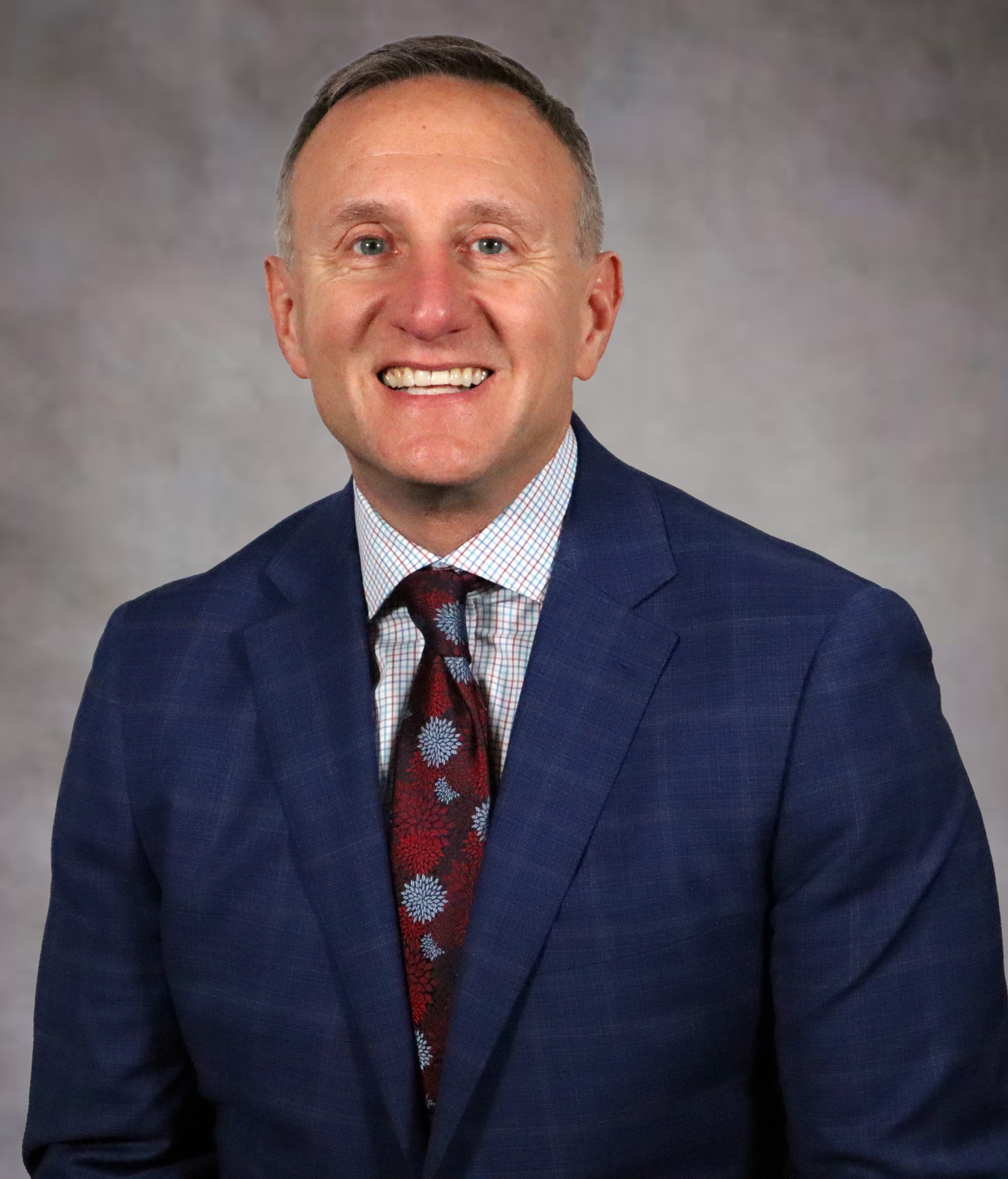
Chief Executive Officer Rob Robinson received a Corporate Leadership Award, recognizing outstanding C-suite executives across industries for their contributions to organizational success and community well-being. Robinson was honored for guiding Alliance through a period of rapid growth, culminating in the successful 2024 launch of its Behavioral Health and Intellectual/Developmental Disability (I/DD) Tailored Plan — a milestone that significantly expanded access to coordinated, high-quality care.

Kelly Goodfellow Women in Business
Kelly Goodfellow
Chief Financial Officer

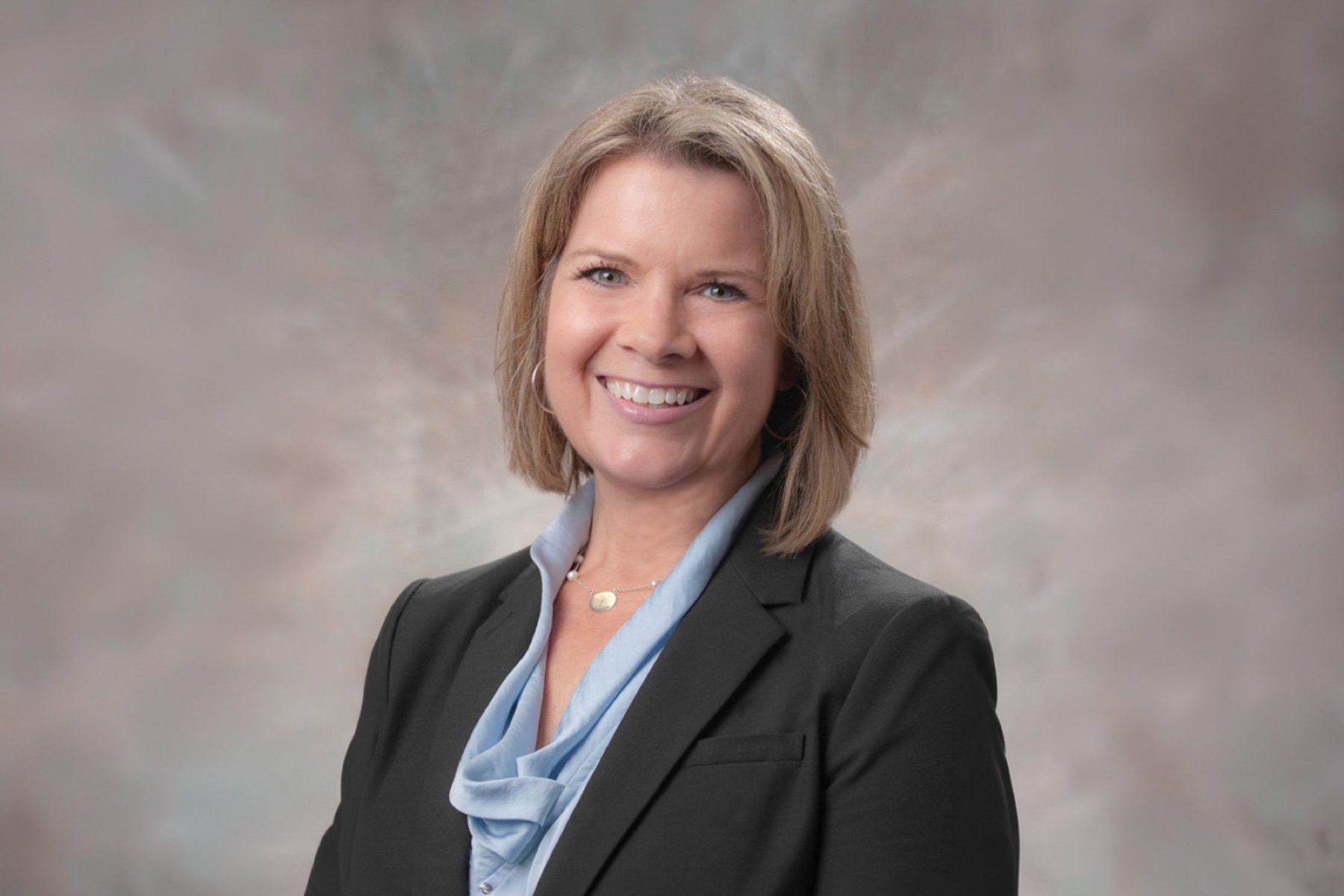
Chief Financial Officer Kelly Goodfellow was named a Women in Business Award recipient for her pivotal role in positioning Alliance at the forefront of public managed care in North Carolina. Her leadership has ensured financial stability while sustaining high-quality care, successfully stewarding a complex budget that has grown from $200 million to $2.2 billion in revenue.

Ann Oshel Health Care Leadership
Ann Oshel
SVP, Community Innovation and Impact

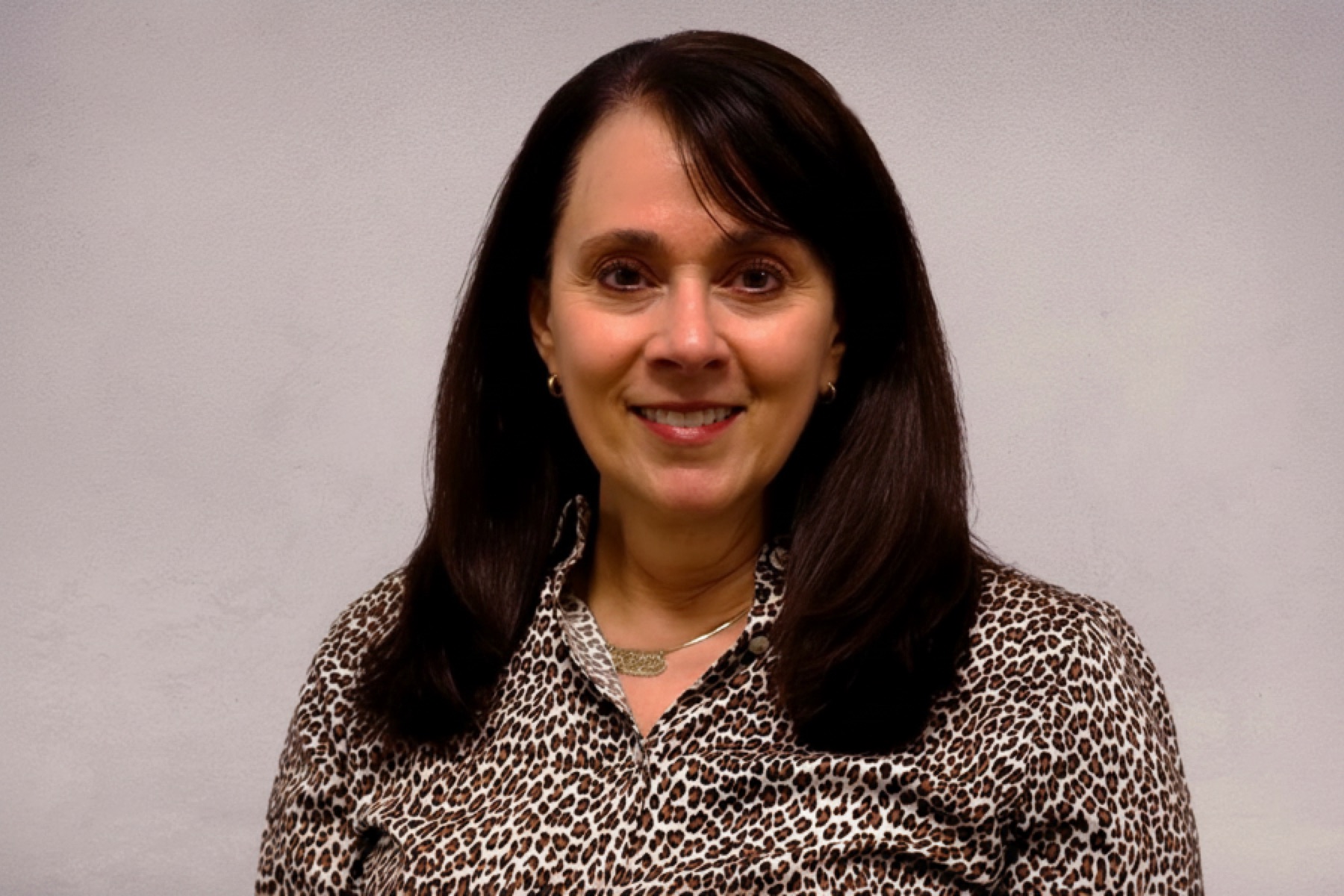
Ann Oshel, Senior Vice President of Community Innovation and Impact, received a Health Care Leadership Award in recognition of her commitment to bridging clinical care and community stability. Oshel was honored for advancing innovative, cross-sector solutions grounded in the belief that a community is defined by how it supports its most vulnerable members.

Together, these recognitions underscore the strength of Alliance Health's leadership and its continued commitment to service, innovation, and impact.

09 — FY25 Financials

$2.36 billion in. $2.41 billion out. Every dollar accounted for

Based on FY25 audited statements — actuals. Alliance met or exceeded all requirements of Senate Bill 208 governing LME-MCO performance.

Total Revenue · FY25
$2.36B
$2,362,413,991
Total Expenses · FY25
$2.41B
$2,409,971,140
Operating Gap
−$47.6M
Within reserves · current ratio 2.06 every month

Revenue by funding source

FY25 revenue · $2,362,413,991 total

$2.36B
Total Revenue · FY25
Medicaid$1.92B81.45%
Administrative$266.2M11.27%
Federal and State$140.3M5.94%
Local$15.8M0.67%
Other Income$15.8M0.67%
Grants$0.25M0.01%

Financial-health indicators

Senate Bill 208 governs LME-MCO performance.

2.06
Current ratio · exceeds 1.0 every month of FY25
$604.8M
Current assets · FY25
$292.9M
Current liabilities · FY25
Senate Bill 208 · Compliance summary
  • Financial reports submitted in accordance with Tailored Plan contract.
  • Current-asset to current-liability ratio of 2.06, exceeding the 1.0 requirement every month.
  • 99% of claims paid in a timely manner — with provider training and tech support to ensure error-free submission.
  • Successful sending and receiving of HIPAA-required data files.

Revenue and Expenses by Funding Source

FY25 audited statements · actuals

Funding Source Revenue % of Revenue Expenses % of Expenses
Medicaid $1,924,088,092 81.45% $1,990,887,473 82.61%
Federal and State $140,270,697 5.94% $140,270,697 5.82%
Local $15,788,326 0.67% $15,797,292 0.66%
Grants $250,938 0.01% $250,938 0.01%
Administrative $266,190,081 11.27% $262,764,740 10.90%
Other Income* $15,825,857 0.67% 0.00%
Total $2,362,413,991 100.00% $2,409,971,140 100.00%

* Other income is interest earned on the investment of idle funds in accordance with GS 159-30.

Looking ahead · 2026

The work doesn't stop. Neither do we

Rural health transformation. First-episode psychosis expansion. Certified community behavioral-health clinics. Methadone integrated into FQHCs. The first medical respite program in our region. Each of these is already in motion — designed to extend access, strengthen continuity, and support sustainable alternatives to institutionalization, statewide.